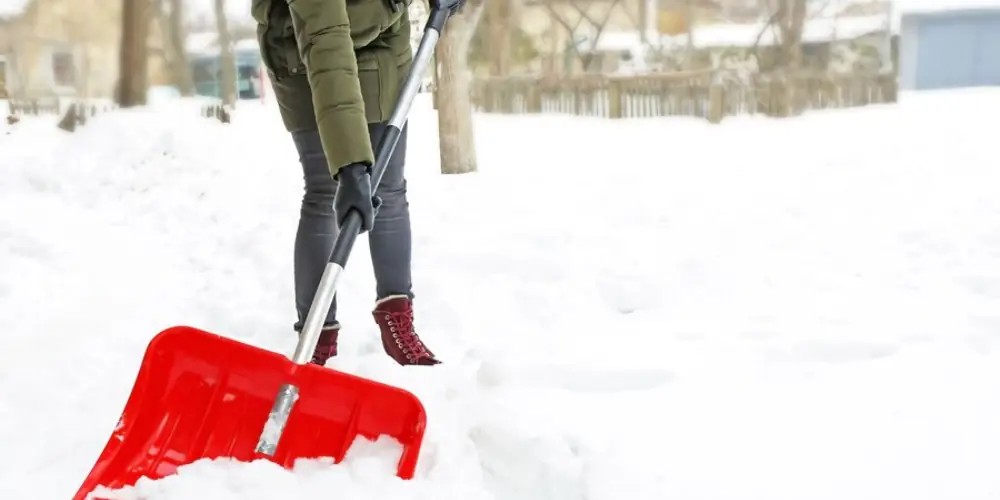
Winter brings its own set of joys and challenges, with snowy landscapes painting a picturesque scene straight out of a holiday card. Yet, beneath this serene facade lurks a less-discussed danger – the impact of snow shoveling on heart health. While it might seem like a mundane chore, this seasonal task holds surprising risks, especially for the heart.
Each year, as the snow blankets much of the United States, the American Heart Association (AHA) raises awareness about the potential cardiac risks associated with shoveling snow. This is not just a cautionary tale; the evidence is compelling and concerning. A 2020 AHA scientific statement linked snow shoveling to a noticeable increase in heart-related incidents following major snowstorms.
The Underestimated Cardiac Risks
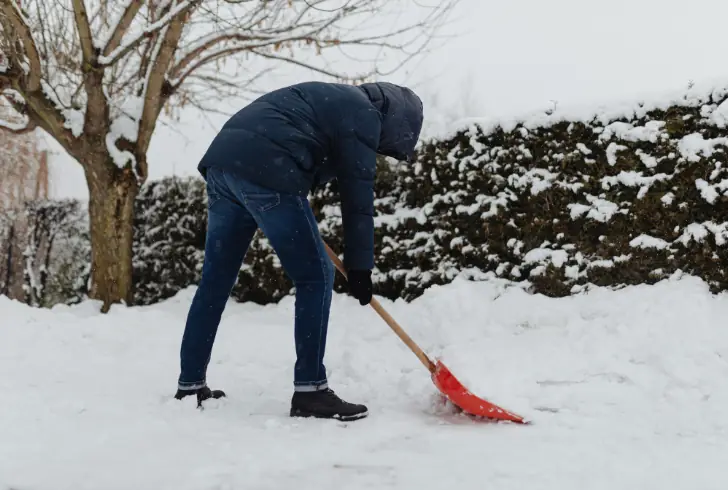
Dr. Barry Franklin, an authority in preventive cardiology at Beaumont Health and a spokesperson for the AHA, emphasizes the often-underestimated dangers of shoveling, particularly for those in middle age or older. Shoveling snow, especially the heavy, wet type, can be as demanding on the heart as a maximal treadmill test. In a study by Franklin, healthy men in their thirties experienced heart rates and blood pressure levels during snow shoveling that matched or exceeded those in intense aerobic tests. Imagine the implications for someone with a less-than-ideal fitness level or known heart conditions!
It’s not just the act of shoveling that’s demanding; the duration and the weight of the snow add to the strain. Shoveling often extends beyond a couple of minutes, involving the movement of hundreds of pounds of snow.
Who’s at Risk?
The risk isn’t uniform; it varies among individuals. Those over 45 or with known heart disease are particularly vulnerable. This group includes people with a history of heart attacks, angioplasty, bypass surgery, or those who experience chest discomfort during exertion. Other risk factors include high blood pressure, high cholesterol, diabetes, obesity, and smoking. Surprisingly, many people with heart disease might not even be aware of their condition, as a 2022 study in Circulation Journal revealed.

Men take note: your risk of a heart attack post-snowfall is significantly higher than that of women, according to Canadian research. The study showed that heavy snowfall increased the likelihood of men being hospitalized or dying from a heart attack.
Understanding the Strain on Your Body
Shoveling snow is a unique physical activity, demands more from your upper body, which is naturally less muscular than your legs. This results in your heart working harder to meet the oxygen needs of your body. Dr. Sharonne N. Hayes, a cardiologist at the Mayo Clinic, points out that the combination of vigorous upper body exertion, pooling of blood in the lower extremities, and involuntary breath-holding during lifting can lead to dramatic spikes in heart rate and blood pressure. Add to this the constriction of coronary arteries in cold air, and you have a perfect storm for cardiac stress.
Proactive Measures for Heart Safety

Given these risks, how can you protect yourself while tackling that snowy driveway? Dr. Franklin, who has personally lost friends to cardiac events triggered by snow shoveling, offers some lifesaving advice:
- Start Slow, Pace Yourself: Avoid clearing everything in one go. Pace your efforts and take frequent breaks.
- Know the Warning Signs: Chest pain, lightheadedness, and irregular heart rhythms are all red flags. Stop immediately and seek medical help if these symptoms persist.
- Shovel Smartly: Push or sweep snow rather than lifting it. This reduces exertion.
- Dress Appropriately: Keep your mouth and nose covered to avoid inhaling cold air. Wear layers, a hat, and gloves to stay warm.
- Consider a Snow Blower: While still demanding, using a snow blower typically results in a lower heart rate compared to shoveling.
- Stay Active: Regular aerobic exercise helps keep your heart healthy and better prepared for physical exertion.
- Delegate When Necessary: If you have heart disease or are at high risk, it’s wise to let someone else handle the snow removal.
As picturesque as a snow-covered landscape might be, the act of clearing it can pose serious risks to your heart, especially if you fall into the higher-risk categories. Recognizing these risks and taking proactive measures can help you enjoy the winter season safely.
Remember, your health is worth more than a cleared driveway. Stay warm, stay safe, and let’s keep our hearts healthy this winter!